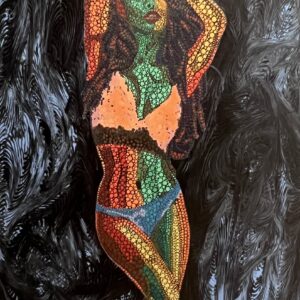
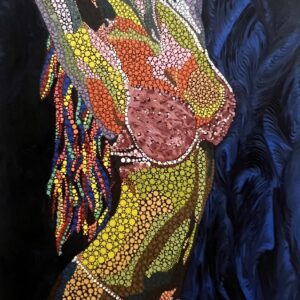
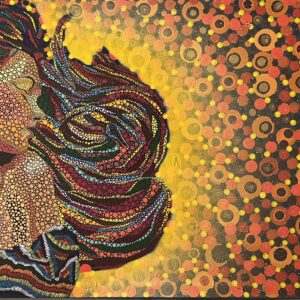
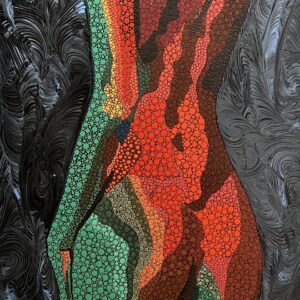
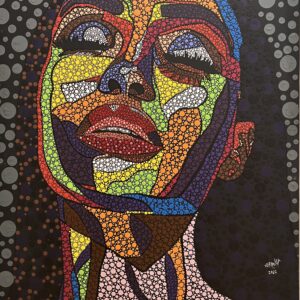
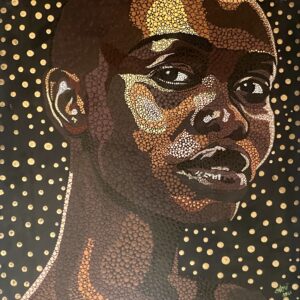
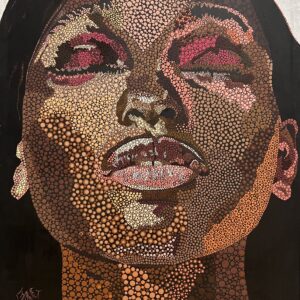
Contemporary art is the art of our time—fluid, boundary-pushing, and deeply reflective of current cultural, social, and political contexts. It represents a departure from traditional forms and techniques, favoring experimentation, abstraction, and the use of diverse materials and mediums. Rather than adhering to a single style or set of rules, contemporary artists embrace freedom of expression, often blending disciplines, reimagining familiar narratives, and incorporating new technologies or unconventional materials.
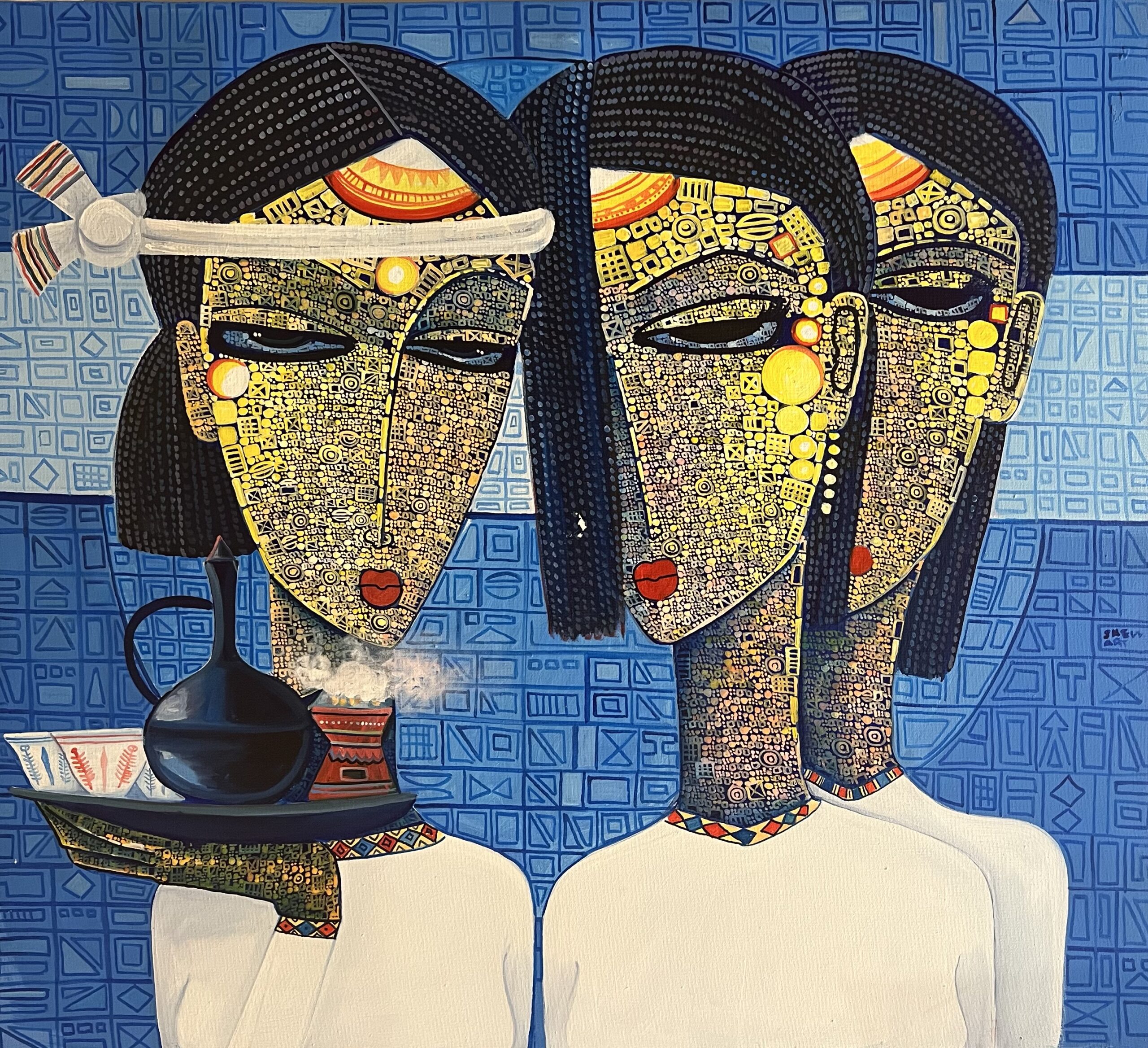
At the heart of contemporary art is a desire to innovate and provoke thought. Artists frequently challenge conventions—both artistic and societal—offering new ways of seeing and interpreting the world. Their works often serve as commentary on identity, environment, politics, and everyday experiences. In the Ethiopian context, contemporary art becomes especially rich, weaving together elements of ancient culture, tradition, and modern life. Artists explore local themes such as spirituality, community, nature, and urban transformation, creating a dialogue between past and present.
The resulting works are as varied as the artists themselves: paintings, mixed media, installations, and digital forms that showcase a wide spectrum of perspectives. There is no single defining characteristic of contemporary art; rather, its strength lies in its diversity. It invites viewers to question, to feel, and to reflect—encouraging a deeper understanding of the world and our place within it.