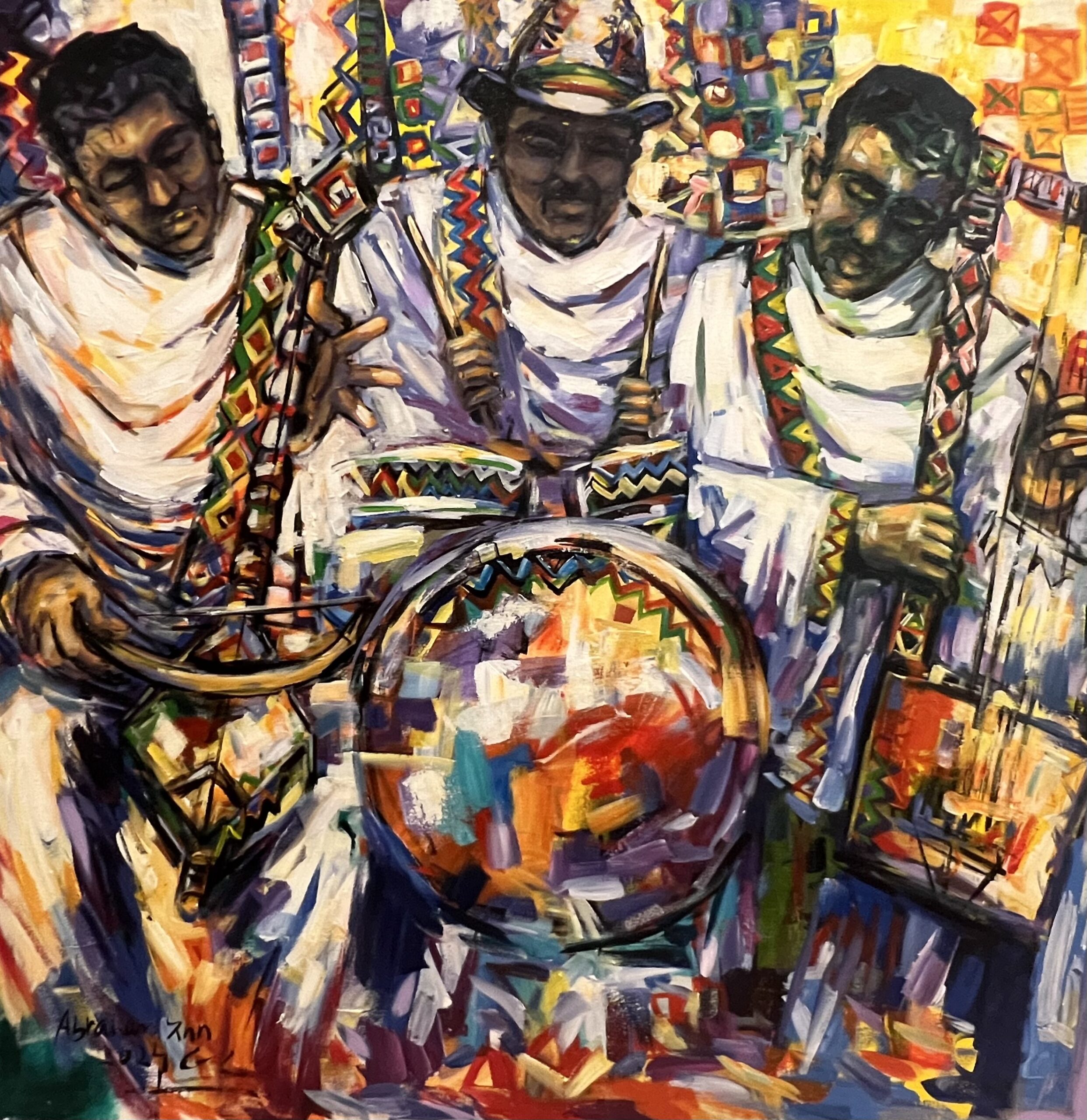
Ethiopia is the oldest independent country in Africa and is often regarded as the cradle of civilization. It is home to the fossilized remains of some of the earliest human ancestors—Selam and Lucy—dating back approximately 3.5 million years. Located in the Horn of Africa, Ethiopia is a land of immense cultural and ethnic diversity, with over 86 ethnic groups and more than 90 languages spoken throughout the country. This diversity is reflected in the country’s vibrant traditions, colorful attire, and daily cultural expressions.
Ethiopia follows the ancient Ge’ez (or Ethiopian) calendar, which includes 13 months—12 of 30 days each, and a 13th month of five or six days. As a result, Ethiopia is about seven years behind the Gregorian calendar used in much of the world. Time is also measured differently: the Ethiopian clock begins at sunrise, making 7 a.m. Western time equivalent to 1 o’clock in Ethiopian time.
Ethiopians take great pride in their heritage, particularly in the fact that Ethiopia is the only African nation never to have been colonized, preserving its sovereignty and cultural integrity throughout history. Known as the ‘Land of Festivals,’ Ethiopia hosts a wide range of vibrant religious and cultural celebrations throughout the year, each rich in color, music, and tradition.
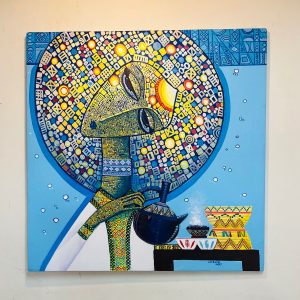
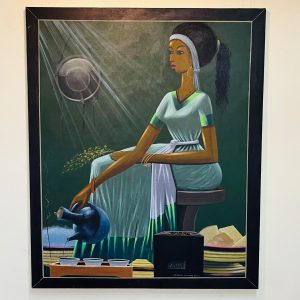
The country is also considered the birthplace of coffee, with a popular legend tracing its discovery back to the 9th century, when a goat herder named Kaldi noticed his goats became unusually energetic after eating red berries from a certain tree.
Perhaps most striking to visitors is the warmth and hospitality of the Ethiopian people. From bustling cities to remote villages, one is greeted with beautiful faces, generous smiles, and a spirit of welcome that reflects the nation’s enduring strength and grace.